Location >>
 Date:2026-03-16
The global barbecue and outdoor cooking market is experiencing a paradigm shift as we move deeper into 2026. No longer just about steel grates and charcoal smoke, the industry is rapidly evolving into a sophisticated intersection of culinary art, smart technology, and eco-conscious living. Valued at nearly USD 7.2 billion recently and projected to cross USD 10.6 billion by 2030, the barbecue equipment market is igniting fresh opportunities for global suppliers, channel partners, and international buyers.
Here are the definitive trends shaping the barbecue industry in 2026.
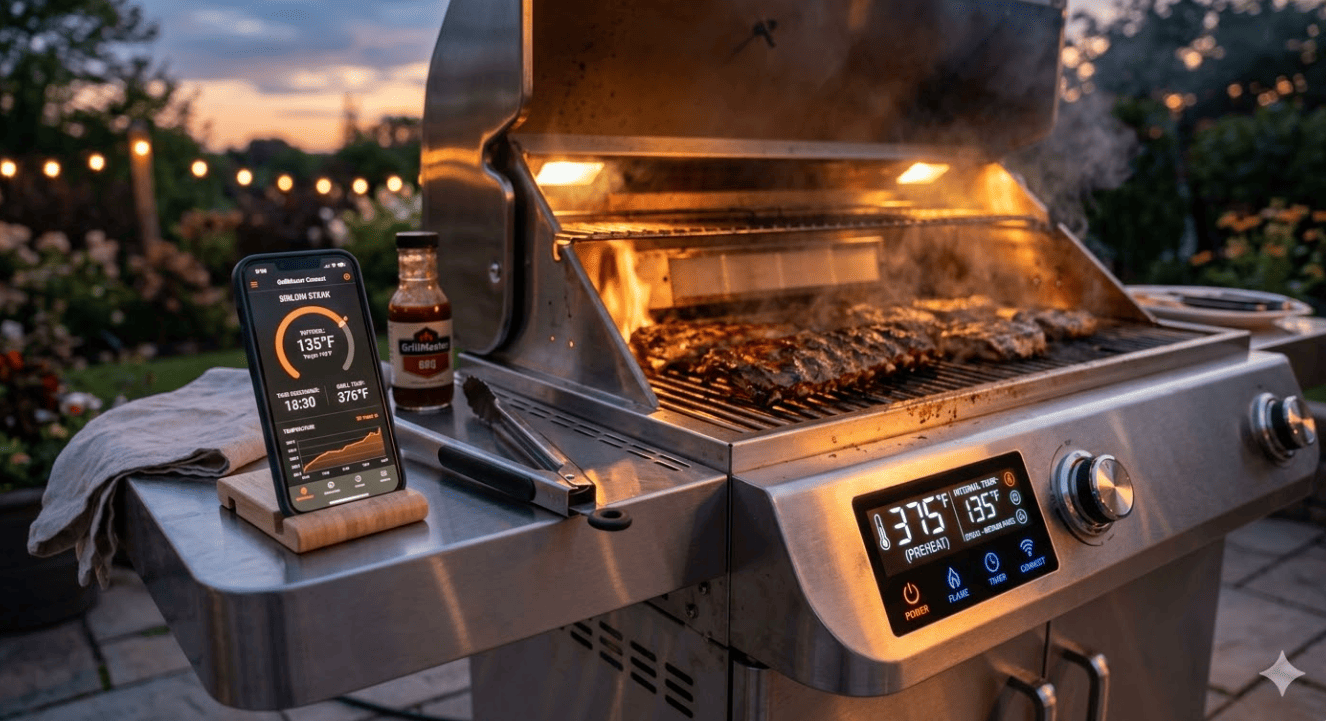
1. The Era of Smart Grilling and IoT Integration The most prominent transformation in modern outdoor cooking is the seamless integration of smart technology. Consumers are increasingly demanding precision and convenience, driving a surge in Wi-Fi and Bluetooth-enabled grills. Modern units feature integrated meat probes, automated temperature control systems, and companion smartphone apps that provide real-time monitoring and built-in recipe libraries. This "set-it-and-forget-it" capability is not only attracting tech-savvy millennials but also eliminating the steep learning curve for first-time grillers, ensuring perfect results every time.
2. Sustainability and the Rise of Zero-Emission Cooking Environmental consciousness is fundamentally altering manufacturing and fuel preferences. There is a noticeable decline in traditional charcoal usage in urban areas due to emission concerns and strict housing regulations. In its place, the market is witnessing explosive growth in electric and infrared grills, which are marketed as "zero-emission outdoor cooking" solutions. Furthermore, wood pellet grills are capturing significant market share by utilizing renewable biomass (like recycled sawdust) instead of fossil fuels. Manufacturers are also prioritizing sustainable production, utilizing recycled aluminum and replacing plastic components with durable ceramic coatings.
3. The "Patio Economy" and Modular Outdoor Kitchens Driven by a universal desire to extend indoor living spaces to the outdoors, the "patio economy" is thriving. Homeowners are moving beyond standalone grills to invest in comprehensive, modular outdoor kitchens. These premium setups often include built-in gas or hybrid grills, side burners, customized prep stations, and integrated refrigeration. This trend is highly lucrative for the B2B sector, as engineering contractors, landscapers, and luxury real estate developers actively source high-end, weather-resistant outdoor cooking equipment to meet the surging consumer demand for alfresco entertaining.
4. The Asia-Pacific Market Boom While Europe and the Americas possess a long-standing barbecue heritage, the Asia-Pacific region is emerging as the most dynamic growth frontier in 2026. A younger demographic, coupled with a booming outdoor camping culture and diversifying social activities, has caused a spike in demand for portable, high-efficiency, and aesthetically pleasing cookers. Global brands are aggressively tailoring their designs to meet the specific spatial and regulatory needs of Asian urban centers, creating a vibrant, high-potential arena for international trade and cross-border partnerships.
Summary The 2026 barbecue industry is defined by innovation, environmental responsibility, and the elevation of the outdoor lifestyle. For manufacturers and international buyers, staying ahead means embracing smart ecosystems, sustainable materials, and the expansive potential of the global patio economy.